
Beyond the Monuments: Fresh DC Itinerary Ideas
For many schools, a Washington, D.C. trip follows a familiar structure: the National Mall, major memorials, and government buildings. These sites remain essential, especially for first-time groups, but teachers often find that repeating the same itinerary year after year can limit student engagement, particularly for returning students or older groups.
Washington, D.C. offers far more than its most well-known landmarks. The city is filled with interactive museums, historic homes, cultural institutions, performance spaces, and hands-on learning experiences that can deepen academic value while keeping itineraries fresh.
This guide highlights lesser-known destinations, flexible alternatives during government shutdowns, newly opened attractions, and recently renovated sites that work especially well for student groups. Whether you are refreshing a long-standing program or building a new itinerary from scratch, these options can help create a more dynamic and meaningful D.C. experience.
Ways to Go Beyond the Standard D.C. Itinerary
Planet Word
Planet Word is a highly interactive museum focused on language, words, and storytelling. Through technology and play, students explore communication, media, and history in a way that feels energetic and accessible.
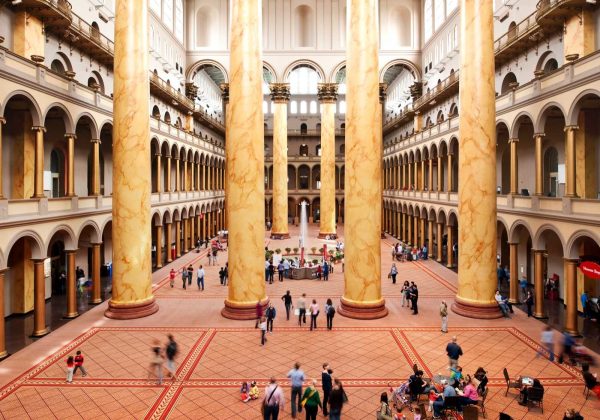
National Building Museum
Housed in a striking historic building, the National Building Museum brings architecture, engineering, and design to life through hands-on, student-friendly exhibits. It works well for STEM connections and visual learners.
Folger Shakespeare Library
Home to the world’s largest Shakespeare collection, the Folger Shakespeare Library brings literature to life through interactive exhibits, rare artifacts, and live performances. It works particularly well for English and humanities classes and pairs nicely with interdisciplinary discussions about language, storytelling, and early American culture.
Daughters of the American Revolution (DAR) Museum
Often overlooked, the DAR Museum highlights everyday life in early America through period rooms and artifacts. It offers students historical context beyond wars and monuments, helping them understand daily life in the nation’s early years.
Smithsonian National Zoo (Home of the Giant Pandas)
One of the only places in the United States where students can see giant pandas for free, the National Zoo combines wildlife conservation, science education, and open-air exploration. Its outdoor layout also makes it a great option for balancing busy museum days.
Museum of the Bible
This modern, interactive museum explores the Bible’s historical influence on culture, art, and government through immersive, non-denominational exhibits. It supports discussions around history, primary sources, and cultural impact rather than religious instruction.
Frederick Douglass National Historic Site
Visiting the home of Frederick Douglass allows students to connect one individual’s life to broader national conversations about freedom, justice, and equality. This site encourages reflection and pairs well with civil rights and social studies curriculum.
New Attractions to Consider
The People’s House: A White House Experience
This interactive museum brings the story of the White House to life through replicas, hands-on exhibits, and engaging presidential history, making it an excellent alternative to touring the White House itself.
Milken Center for Advancing the American Dream
An interactive experience focused on entrepreneurship, civic values, and the individuals who helped shape the American Dream. This site works well for civics and economics connections.
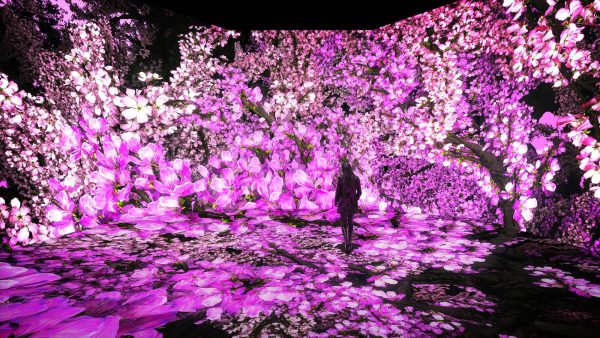
ARTECHOUSE
An immersive digital art experience where students explore large-scale installations that blend technology, science, and creativity. It is especially engaging for visual and experiential learners.
Recently Renovated or Reopened Sites
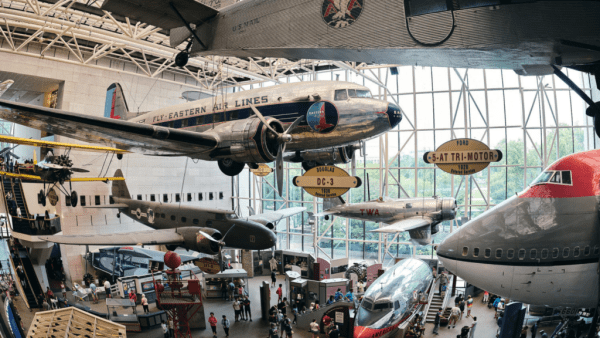
National Air and Space Museum
The museum is mid-transformation, with new galleries already open and additional reimagined spaces debuting through 2026 ahead of the U.S. 250th anniversary.
Mount Vernon
George Washington’s estate continues to expand its educational programming, offering deeper insight into 18th-century life, leadership, and Washington’s legacy.
National Museum of Women in the Arts
The world’s only major museum dedicated exclusively to women artists, recently reopened after a renovation that expanded galleries, improved accessibility, and modernized visitor spaces.
Coming Soon: What’s on the Horizon

America 250 Initiatives
Special exhibits and programs across Washington, D.C. will highlight America’s history, ideals, and ongoing story as the nation approaches its 250th anniversary. Learn more at https://america250.org/.
National Desert Storm and Desert Shield Memorial
A new memorial honoring service members of the Gulf War era, recently dedicated and now open as part of the National Mall’s modern memorial landscape.
African American Civil War Memorial Museum
This museum honoring U.S. Colored Troops has undergone expansion and renovation, with updated exhibits designed to better highlight African American Civil War history as work completes.
What to Visit in Washington, D.C. During a Government Shutdown
Government shutdowns can disrupt access to federal buildings and museums, but they do not need to derail a student trip. Washington, D.C. offers many high-quality alternatives that remain accessible.
U.S. National Arboretum
A spacious outdoor destination featuring gardens, trails, and the iconic Capitol Columns. The Arboretum supports learning through nature, history, and design and works well as a calm, reflective stop.
Lincoln’s Cottage
Located on the historic Soldiers’ Home campus, Lincoln’s Cottage is where Abraham Lincoln developed the Emancipation Proclamation. The site offers a personal look at leadership and decision-making during a pivotal moment in history.
International Spy Museum
An interactive favorite for students, the Spy Museum explores espionage through hands-on exhibits, real artifacts, and immersive missions. It appeals strongly to middle and high school groups.
Josiah Henson Museum and Park
This site tells the powerful story of Josiah Henson, whose life inspired Uncle Tom’s Cabin. Exhibits focus on slavery, resilience, and freedom, encouraging meaningful discussion.
Woodlawn Cultural Park and Museum
A former plantation turned cultural site, Woodlawn explores African American history, art, and community life through exhibits and preserved structures.
Glenstone Museum
Glenstone blends modern art, architecture, and nature into a thoughtful, self-guided experience. It works best for older students and encourages quiet observation and discussion.
KID Museum
Designed for hands-on learning, KID Museum engages students with interactive exhibits focused on creativity, technology, and problem-solving, making it ideal for STEM-focused groups.
Sandy Spring Slave Museum
A community-focused museum dedicated to preserving and sharing African American history through personal stories, artifacts, and education.
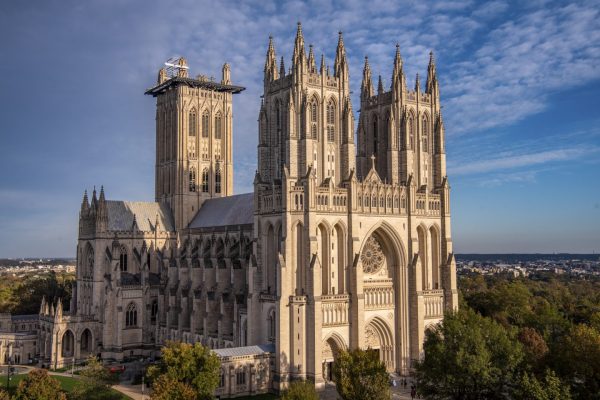
Washington National Cathedral Tour
Exploring the National Cathedral allows students to learn about architecture, symbolism, and American history through guided tours in one of the largest Gothic cathedrals in the world.
Final Takeaway for Educators
Refreshing a Washington, D.C. itinerary does not mean abandoning the monuments that make the city iconic. Instead, it means layering in experiences that encourage deeper thinking, active participation, and stronger student engagement.
By incorporating lesser-known sites, interactive museums, cultural experiences, and flexible alternatives, teachers can create a D.C. trip that feels both familiar and new, while staying aligned with curriculum goals and student needs.
Frequently Asked Questions About Washington, D.C. Student Itineraries
What can students do in Washington, D.C. besides the National Mall?
Beyond the National Mall, students can visit interactive museums, historic homes, cultural institutions, performance spaces, and hands-on learning experiences that deepen engagement and support curriculum goals.
Are there good Washington, D.C. itinerary options beyond monuments for middle school students?
Yes. Many non-monument sites in Washington, D.C. are specifically designed for student groups and work especially well for middle school learners when visits are paced and tied to classroom objectives.
What can school groups do in Washington, D.C. during a government shutdown?
During a government shutdown, non-federal museums, historic homes, outdoor spaces, and cultural institutions remain open, allowing schools to maintain a full and meaningful itinerary.
How do teachers justify non-monument activities on a Washington, D.C. trip?
Teachers can justify alternative activities by showing how they support academic standards, encourage critical thinking, and provide interactive learning experiences that go beyond passive sightseeing.