
DC250 Explained: Why 2026 Is the Best Year for a Washington, D.C. Student Trip
Why 2026 Is the Perfect Year to Take Students to Washington, D.C.
In 2026, the United States will mark a once-in-a-generation milestone: the 250th anniversary of the nation’s founding, referred to as the Semiquincentennial. Washington, D.C., the nation’s capital, will serve as the center of this commemoration through a coordinated initiative known as DC250.
For teachers and school administrators who already view Washington, D.C. as a cornerstone of middle school and eighth grade education, 2026 presents a rare opportunity. A student trip during DC250 places learners directly inside a national moment of reflection, civic dialogue, and historical interpretation that aligns naturally with U.S. history, civics, and social studies curriculum.
This article explains what DC250 is, what schools can expect in Washington, D.C. during 2026, and why this year stands out as one of the most meaningful times in recent history for a student trip to the capital.
What Is DC250 and the Semiquincentennial?
DC250 refers to Washington, D.C.’s official role in commemorating the 250th anniversary of the signing of the Declaration of Independence, which will be marked on July 4, 2026. The anniversary is being recognized nationally through the work of America250 and locally through city-wide coordination in Washington, D.C..
Unlike a single holiday or event, the Semiquincentennial is structured as a year-long educational and civic initiative throughout 2026. Museums, historic sites, public spaces, and cultural institutions across Washington, D.C. are preparing expanded exhibitions, special programming, and interpretive experiences that focus on:
-
The nation’s founding principles
-
The evolution of democracy
-
Civic responsibility and participation
-
Diverse perspectives throughout American history
For student groups, this transforms a traditional Washington, D.C. trip into a living classroom experience rather than a standard sightseeing visit. Students get to see history, government, and civic identity interpreted through a national anniversary lens that supports inquiry and reflection.
Why Washington, D.C. Has Always Been an Eighth Grade Tradition
For decades, Washington, D.C. has been a defining destination for middle school and eighth grade student travel. This tradition exists for clear educational reasons.
At this stage, students are developmentally ready to:
-
Understand systems of government
-
Analyze historical cause and effect
-
Engage in discussions about rights and responsibilities
-
Connect past events to present-day institutions
A Washington, D.C. trip reinforces classroom instruction by placing students inside the spaces where history and government function. DC250 amplifies this experience by framing those visits within a nationally recognized anniversary that students can contextualize and remember.
What Will Be Happening in Washington, D.C. During DC250?
DC250 programming is designed to run throughout 2026, meaning schools traveling in spring, summer, or fall can experience the Semiquincentennial through exhibitions, public programming, and expanded historical interpretation. Rather than a single set of events, Washington, D.C. is approaching the 250th anniversary as a year-long educational framework woven into the city’s museums, public spaces, and civic institutions.
Smithsonian and Museum Exhibitions
Smithsonian museums are preparing anniversary-focused exhibitions that explore American identity, democracy, innovation, and social change. Many of these experiences are expected to frame history through a 250-year lens, helping students understand how founding ideals were established, challenged, and expanded over time.
For student groups, this approach supports stronger learning outcomes. Exhibitions tied to DC250 are designed to encourage reflection and discussion, rather than passive viewing, making them easier to connect to pre-trip lessons and post-trip classroom work.
National Mall and Civic Programming
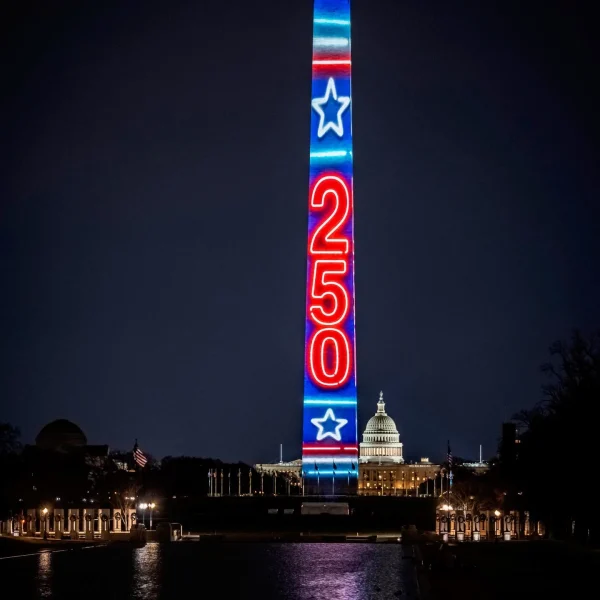
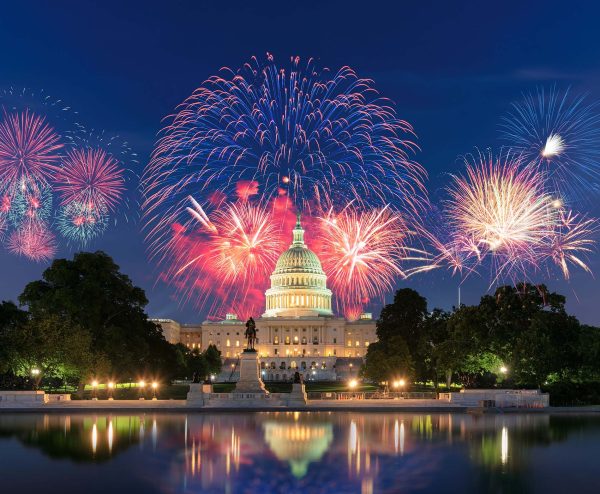
The National Mall will serve as a visible focal point for DC250, with public programming and commemorative moments tied to national holidays and civic traditions throughout the year. Even for schools not traveling on major holiday dates, students will encounter a city actively engaged in national remembrance.
For teachers, this means students experience Washington, D.C. not just as a collection of monuments, but as a living civic space where national identity, memory, and democratic values are being actively discussed and represented.
Historic Sites and Government Institutions
Historic landmarks, memorials, and government institutions across Washington, D.C. take on added educational meaning during DC250. Site interpretation is expected to emphasize how democratic systems were formed, how they have evolved, and how citizens continue to shape them.
This framing helps students move beyond memorization of facts and toward deeper analysis. Seeing institutions through a Semiquincentennial lens encourages discussion about continuity, change, and civic responsibility, all central goals of middle school social studies education.
Youth Engagement and Reflection Opportunities
DC250 initiatives place a strong emphasis on youth engagement and civic reflection. Students visiting Washington, D.C. during 2026 are likely to encounter programming that encourages them to consider their role in democracy today, not just the events of the past.
For educators, these moments create natural opportunities for guided discussion, journaling, and post-trip reflection that extend learning well beyond the trip itself.
Why 2026 Is an Exceptional Year for a Student Trip to Washington, D.C.
1. A Once-in-a-Generation Learning Moment
Very few students will ever have the opportunity to visit Washington, D.C. during a 250th anniversary year. This timing allows students to connect their studies to a national milestone, making history feel immediate and relevant rather than distant.
2. Strong Curriculum Alignment
DC250 aligns directly with:
-
U.S. history standards
-
Civics and government coursework
-
Social studies skill development
-
Inquiry-based learning and reflection
Teachers can build pre-trip lessons around founding principles, reinforce learning on site, and guide post-trip discussions that tie historical themes to modern civic life.
3. Enhanced Justification for Schools and Administrators
For administrators evaluating travel requests, DC250 provides clear academic justification. The anniversary framing supports learning objectives, district standards, and educational outcomes in a way that is easy to explain to families and school boards.
4. Deeper Student Engagement
Students are more likely to remain engaged when they understand that they are participating in a significant national moment. DC250 encourages students to see themselves as part of an ongoing story of democracy and civic responsibility.
What Teachers Should Consider When Planning a DC250 Trip
Because 2026 is expected to be a high-interest year for Washington, D.C. travel, thoughtful planning is essential.
Teachers and administrators should consider:
-
Beginning the planning process earlier than usual
-
Securing dates and accommodations well in advance
-
Structuring itineraries with balanced pacing
-
Framing visits with age-appropriate historical context
Despite increased demand, Washington, D.C. remains one of the most group-friendly and walkable educational cities in the country. With proper planning, DC250 trips can remain smooth, manageable, and deeply meaningful.
Is 2026 a Good Year for First-Time DC Trip Leaders?
Yes. In many ways, DC250 makes planning easier for first-time trip leaders.
The educational framing is clear, the academic value is strong, and the city’s infrastructure is designed to support school groups. With the right planning support, new trip leaders can feel confident delivering a successful and impactful experience.
What Students Gain From a DC250 Experience
Students who visit Washington, D.C. during the Semiquincentennial gain more than historical knowledge.
They develop:
-
Greater civic awareness
-
Stronger critical thinking skills
-
Increased engagement with democratic values
-
A shared educational experience tied to a national milestone
For many students, a DC250 trip becomes a defining academic memory that shapes how they understand history and citizenship.
FAQs About DC250 Student Trips
What is DC250 and why does it matter for school trips?
DC250 marks the 250th anniversary of the United States and brings expanded educational programming to Washington, D.C. It allows student trips to align directly with a nationally significant moment in American history.
Is Washington, D.C. expected to be busier in 2026?
Yes. Interest in school travel is expected to increase, which is why early planning is strongly recommended for DC250 trips.
Is DC250 appropriate for eighth grade students?
Absolutely. Eighth grade students are at an ideal stage to engage with civics, government, and historical reflection, making DC250 especially meaningful.
How does a DC250 trip differ from a typical Washington, D.C. trip?
In addition to standard landmarks, DC250 trips include enhanced historical framing, special exhibitions, and anniversary-focused programming that deepen learning.
When should schools start planning a DC250 Washington, D.C. trip?
Schools should begin planning 9 to 12 months in advance to secure availability and allow time for approvals and curriculum integration.
A Note For Educators
For nearly five decades, Junior Tours has worked with schools across the country to plan Washington, D.C. trips that support curriculum goals, administrative requirements, and the long-standing eighth grade tradition of learning in the nation’s capital. DC250 offers a rare opportunity to deliver that experience at its highest educational value.
Begin planning a DC250 trip for 2026