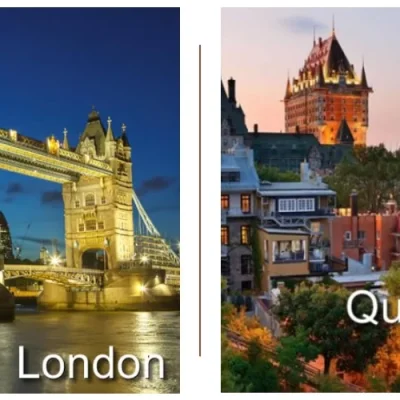
Montreal & Quebec City
A trip to Montréal and Québec City gives students a rare chance to experience French culture without crossing an ocean. From language and history to art, architecture, and food, French Canada makes learning feel immediate and real.
Montréal is one of the world’s great French-speaking cities. It is modern, creative, and cosmopolitan, where historic stone streets and grand churches sit beside bold architecture and buzzing neighborhoods.
In Québec City, more than 400 years of history unfold inside fortified walls, with Old Québec’s European atmosphere and the iconic Château Frontenac overlooking the St. Lawrence River.
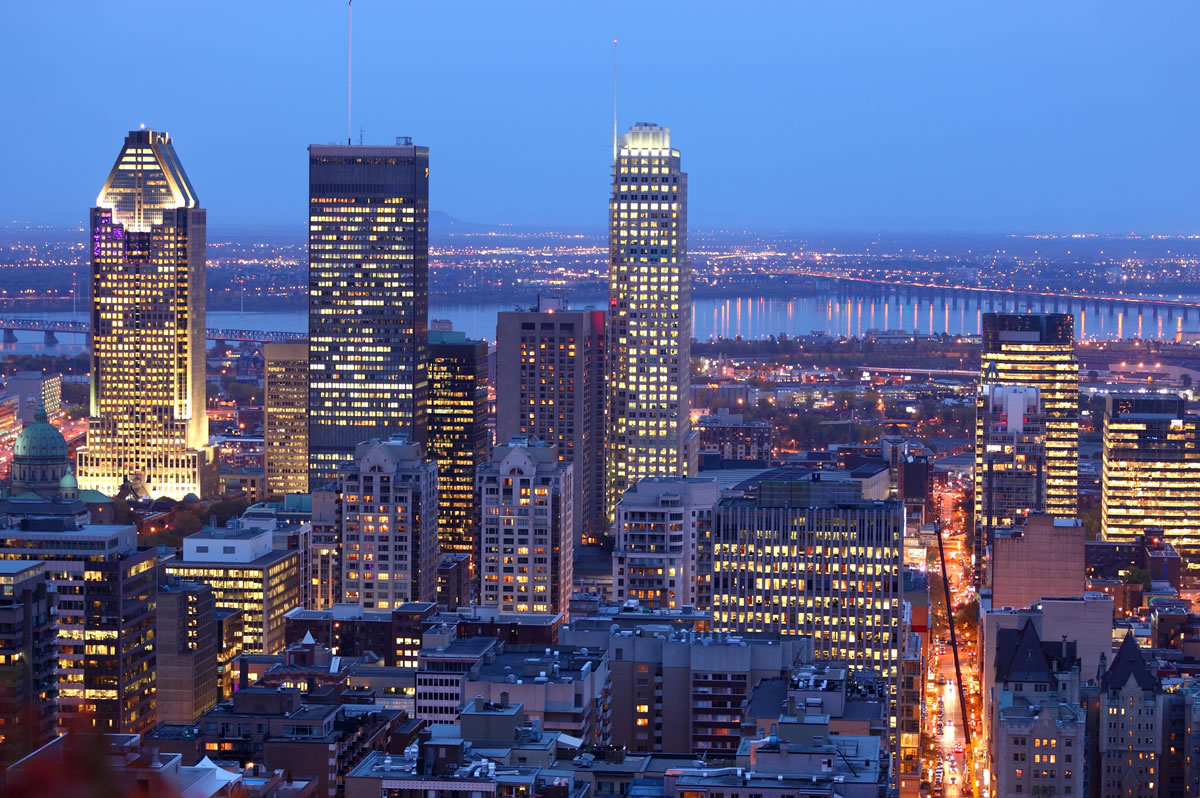
Montreal
Old Montreal
Old Montreal (or Vieux-Montréal in French) is the oldest area in Montreal, dating back to colonial times.
Notre Dame Basilica
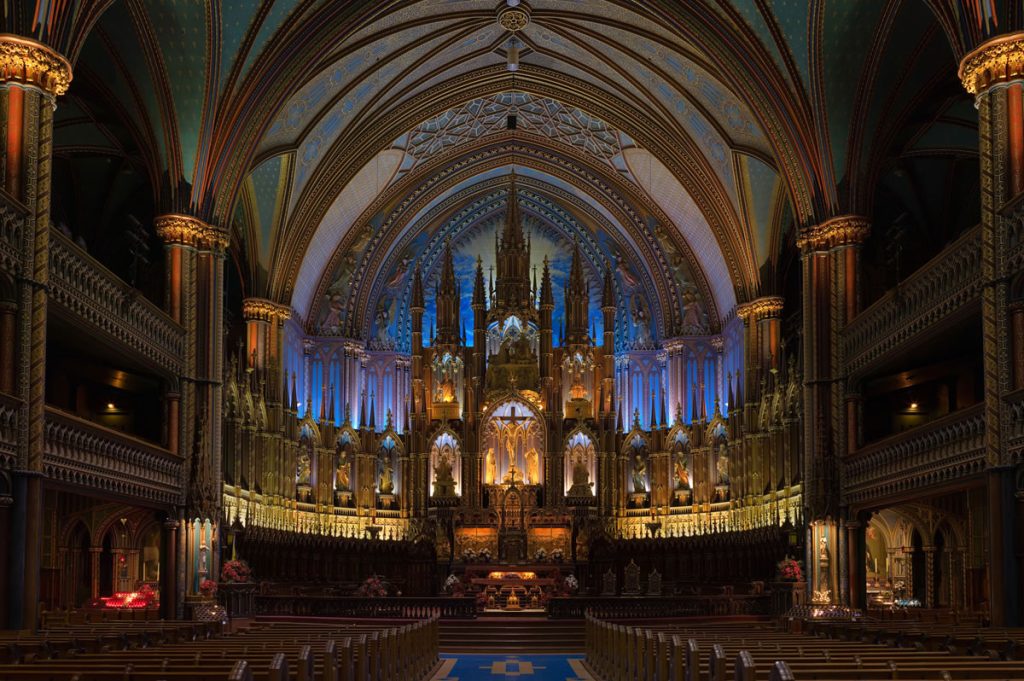
This neo-gothic building from 1829 was constructed on the site of a much older and smaller church. Notre Dame is noted for its lavish and beautiful interior – stained glass windows, gold-tipped polychrome carvings, paintings, statues, and especially its lavish altarpiece.
Montreal Biodome
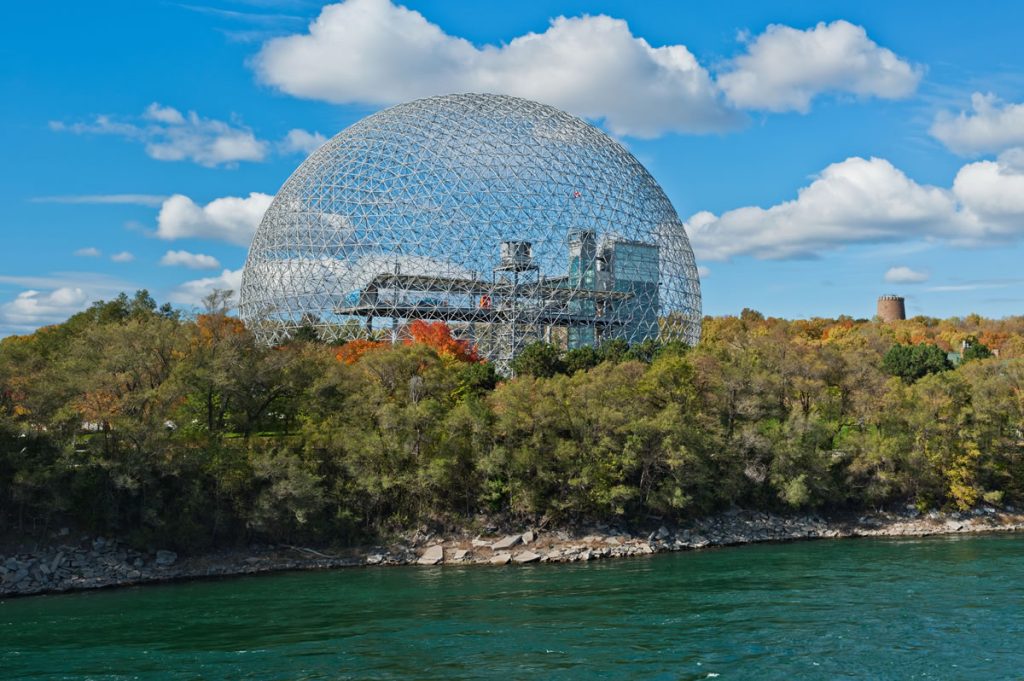
The Montréal Biodome recreates some of the most beautiful ecosystems of the Americas: the lush and humid Tropical Forest, the Laurentian Forest, the St. Lawrence Marine ecosystem and the Polar Worlds of the Arctic and Antarctic.
Mount Royale
The jewel of Montreal’s city parks is, without question, Mount Royale. This 101-hectare park occupies part of the mountain that lies in the midst of Montreal and includes the highest spot in the city (234m).
St. Joseph’s Oratory
A major site of Roman Catholic pilgrimage and worship, St. Joseph’s features the world’s second largest dome, after St. Peter’s in Rome. Inside there are essentially two large churches one atop the other.
McGill University
McGill University was founded in 1821 from a bequest by James McGill, a prominent Montreal merchant, who left an endowment in addition to the property on which the university now stands. McGill would become the first non-denominational university in the British Empire.
Olympic Park
The Olympic Stadium (French: Stade olympique) was built as the main venue for the 1976 Summer Olympics. It subsequently became the home of Montreal’s professional teams. The Olympic Park Tower is the tallest leaning structure in the world. The tower holds up the dome over the Olympic Stadium. Tourists can ride to the top of the tower for some excellent views of downtown and eastern Montreal.
Quebec City
Basse-ville
The oldest part of Old Québec, Lower Town is clustered on the narrow streets between the ramparts of Haute-Ville and the Old Port. At its center, your group will find Place Royale, the historical market square that has been faithfully restored to its former glory. You will see the 17th- and 18th-century houses surrounding the square now in pristine condition
Haute Ville
The hilly section of the Quebec City, known as Upper Town, developed later than the original settlement it overlooks. Upper Town has an appeal all of its own, with a distinctly urban feel to it.
The Château Frontenac
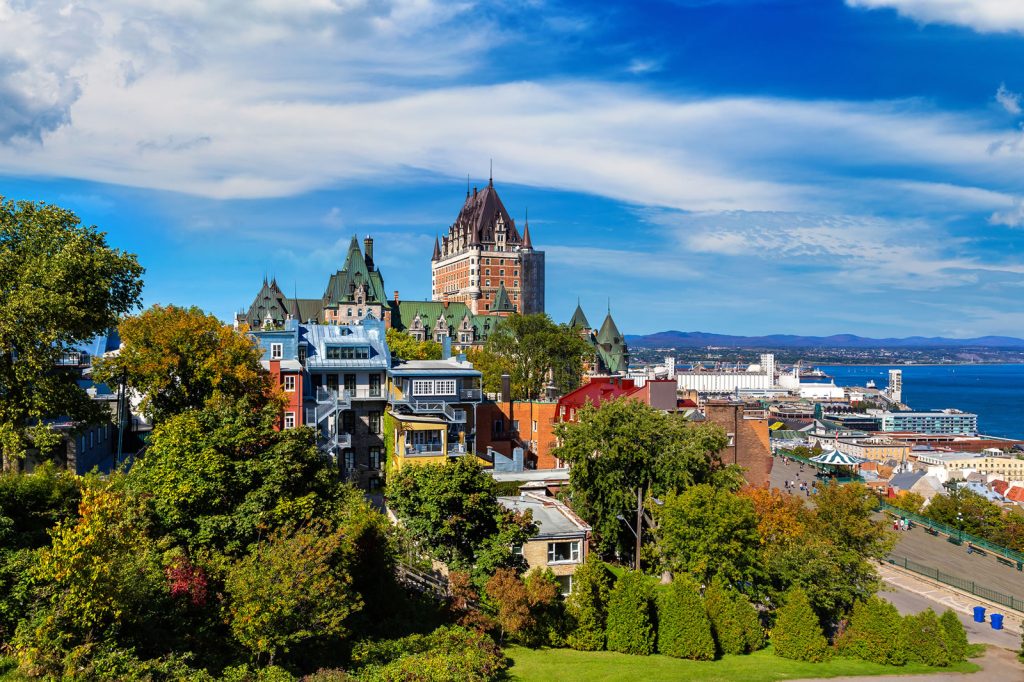
Standing high on a bluff overlooking the mighty St. Lawrence River, Fairmont Le Château Frontenac is not merely a hotel located in the heart of Old Québec – it is the heart of Old Québec.
The Plains of Abraham
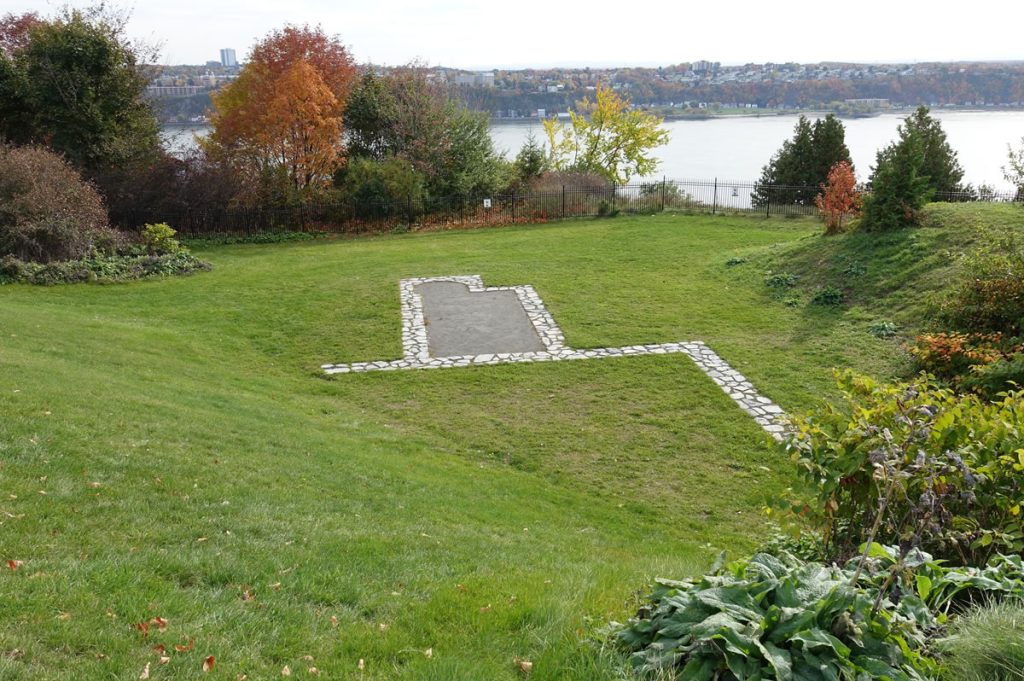
The site of many clashes for supremacy between the French and British Empires, the park is the scene of the 1759 Conquest, which changed the fate of North America.
Assemblee Nationale
The National Assembly of Quebec (French: Assemblée nationale du Québec) is the name for the legislative body of the province of Quebec. This legislative assembly operates in a fashion similar to those of other British-style parliamentary systems.
Citadelle
The Citadelle is a military installation and official residence located atop Cap Diamant, adjoining the Plains of Abraham in Quebec City. This citadel is part of the fortifications of Quebec City, the only city with extant city walls in North America.