First-Time Trip Leader Planning Guide
You’re Not Alone, This Is Normal
Planning your first overnight student trip can feel overwhelming at first. Many teachers step into this role unsure of where to start, what their responsibilities are, or how much time and energy the process will require. Concerns about student safety, handling money, meeting expectations, and communicating with parents are common, and they can make the idea of planning a trip feel intimidating.
This guide is designed to support teachers during the consideration and early planning stages of an overnight educational trip. Though most teachers plan with the help of a student travel partner, this guide reinforces the support you need so you are not managing the process alone. It is a resource to provide clarity, reassurance, and a better understanding of what to expect.
What You’re Responsible For (and What You’re Not)
One of the biggest sources of stress for first-time trip leaders is uncertainty around responsibility. Understanding your role as a trip leader can make the entire planning process feel far more manageable. Many first-time leaders assume they are responsible for every detail, when in reality, much of the planning and logistics are managed by the student travel company you are working with.
While details can vary by school, district, or travel partner, most overnight student trips follow a similar division of responsibility. Your role is focused on leadership, communication, and guiding group preferences, not managing travel logistics on your own.
As the trip leader, you are typically responsible for:
- Choosing group preferences, such as travel dates, activities, and shows
- Securing school or district approval to run the trip (where applicable)
- Introducing the trip to students and families
- Communicating key information, deadlines, and expectations
- Sharing registration links and updates with families
- Reviewing and approving itinerary details
- Traveling with the group and enjoying yourself
You are typically not responsible for:
- Building the itinerary from scratch or researching hotels, attractions, transportation, or restaurants
- Booking or negotiating with hotels, bus companies, theaters, museums, or restaurants
- Collecting money, processing payments, or tracking balances
- Managing refunds, cancellations, credits, or interpreting contracts
- Handling emergencies or unexpected situations alone during travel
- Serving as the expert on travel rules, safety standards, or industry best practices
- Answering parent questions on your own without backup
When working with a student travel company, you are never expected to manage the planning and logistics yourself. They will also handle the routine questions that come up along the way.
Understanding Payments, Without Managing Them
For many first-time trip leaders, concerns about collecting checks, chasing payments, or managing balances are what make the idea of planning a trip feel overwhelming. When planning an overnight trip with a student travel company, teachers should not handle money themselves. Families pay individually, and the travel partner manages pricing, payment processing, and tracking from start to finish.
Payments are typically spread out over multiple installments to make costs more manageable for families. Trip pricing is often based on group size, with larger groups benefiting from lower per-student costs. Refunds, cancellations, credits, and payment adjustments are also handled by the travel partner, not the teacher.
For first-time trip leaders, the most effective way to keep this process simple is choosing a travel partner that fully manages payments and registration. When teachers are removed from the role of collecting and tracking money, planning feels more organized, predictable, and far less stressful.
Safety, Supervision, and Support
Safety is one of the most common concerns for first-time trip leaders, and it is an important one. Leading an overnight trip does not mean you are responsible for managing safety on your own. The most effective way to keep a trip manageable and low stress is to plan with clear supervision structures and built-in support from the start.
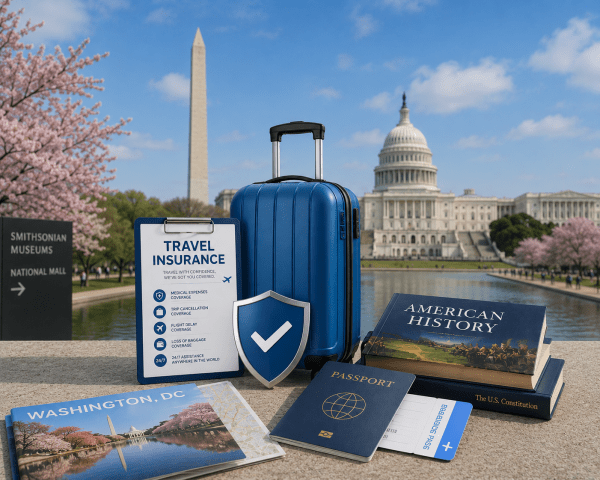
When working with a student travel partner, trips are designed with safety as a top priority. A professional tour escort travels with the group and is available 24/7 to manage logistics and respond to issues as they arise, with additional high-level management support when needed. Travel planners can also arrange overnight security to monitor hallways and common areas. Comprehensive liability insurance policy is another layer of protection to support groups during the travel experience.
For first-time trip leaders, the key is choosing a structure where support is always present. When supervision roles are clear and safety systems are established ahead of time, trips feel more predictable and easier to manage, allowing teachers to focus on their students rather than worrying about logistics.
Common First-Time Mistakes to Avoid
- Trying to plan an overnight trip without a travel partner
Planning alone often means managing logistics, payments, and coordination yourself, which can quickly become overwhelming. Working with a travel partner allows teachers to focus on leading the trip, rather than planning it. - Selecting a travel company that isn’t the right fit
Not all student travel companies operate the same way. Choose a partner that offers personalized support, clear communication, and hands-on guidance. Be skeptical of corporate-run organizations that are less flexible and appear more interested in their bottom line than your customer experience. - Trying to plan everything at once
Overnight trips come together in stages. Your travel partner will understand the timeline of steps and guide you through the planning process without overwhelming you with all of the details upfront. - Feeling pressure to have every answer immediately
It is okay to tell parents and administrators that details are still being finalized and that more information will follow. - Taking on responsibilities that should be handled for you
Many first-time leaders take on extra work around logistics or payments that are designed to be managed by the travel partner. When in doubt, you should assume your travel partner has it covered! - Waiting too long to start the conversation
It’s never too early to start planning. Booking your trip 8-10 months before departure typically allows your group to lock in the best prices with plenty of time for students and families to register. The sooner you get started, the more flexibility you’ll have. Even early, informal discussions with administrators or colleagues can make the rest of the process feel easier. - Not leaning on support when questions come up
Asking questions early and often helps prevent small concerns from becoming stressful headaches later.
Why Many Educators Choose to Travel with Students
Despite the extra planning involved, many educators continue to lead overnight trips because of the impact they have on students and the school community. When trips are structured well and supported properly, the benefits often outweigh the effort.
- Learning moves beyond the classroom
Seeing history, government, arts, or culture firsthand helps students connect lessons to the real world in a way that classroom instruction alone cannot. - Students gain independence and confidence
Overnight travel encourages responsibility, problem-solving, and personal growth in a supervised and supportive environment. - Teachers become part of students’ lasting memories
For many students, the teachers who lead these trips are the ones they remember most. Shared experiences outside the classroom often leave a lasting impression that goes well beyond the school year. - Relationships strengthen outside the classroom
Spending time together in a different setting helps build trust and connection, which often carries back into the classroom. - Trips create meaningful, long-term impact
Overnight trips are often remembered as highlights of a student’s school experience, sometimes years later. - Some travel companies offer teacher benefits
Depending on the partner, teachers may receive benefits such as complimentary travel, stipends, or other incentives, which can help recognize the time and effort involved in leading a trip.
At the end of the day, many teachers choose to travel because the experience gives students something lasting, confidence, perspective, and memories that stay with them long after the trip ends.
How to Choose the Right Travel Partner
Choosing the right travel partner is one of the most important decisions a first-time trip leader will make. The right partner can make the experience feel organized, supported, and manageable. The wrong one can add stress, confusion, and unnecessary work.
Not all student travel companies operate the same way. As you evaluate options, focusing on how a company supports teachers throughout the process can make a meaningful difference.
- Look for a partner that fully manages payments and registration
Teachers should never be responsible for collecting money, tracking balances, or handling refunds. A strong travel partner removes teachers entirely from the payment collection. - Prioritize personalized travel and support over scale
Some large, corporate-run tour operators rely on standardized programs and call-center style customer service. For first-time trip leaders, working with a partner that offers consistent, personal communication and understands your group’s specific needs can make planning far less overwhelming and more rewarding. - Consider affordability and how pricing is structured
Every student should have the opportunity to travel. The right travel partner should offer transparent, thoughtful pricing that reflects real value for students and families. Corporate-run companies often charge higher prices tied to their larger overhead and commissioned salespeople. - Ask how support works before, during, and after the trip
The right partner provides guidance throughout planning and real-time support during travel, including 24/7 access to a dedicated Tour Executive to answer questions when they arise. - Make sure safety and supervision are built into the structure
Chaperone guidance, overnight hotel security, and on-tour support should be standard, not add-ons. - Look for a partner with deep local expertise in your travel destination
Companies that are based in, or closely connected to, the city you’re visiting often understand logistics, timing, neighborhoods, and student-friendly experiences far better than companies that offer dozens of destinations with a surface level knowledge of each. A partner that specializes your destination will help create a more authentic experience for your group. - Ensure transparency and flexibility
Clear communication, straightforward expectations, and the ability to adjust plans as needed are especially important for first-time trip leaders.
The best travel partners do more than arrange logistics. They act as your personal travel concierge, helping you feel confident at every step and making the experience as smooth and hassle-free as possible.
What Happens When You’re Ready to Move Forward
Once you feel confident that an overnight trip is right for you, the next steps should feel simple and exploratory. Moving forward does not mean committing immediately or having every detail finalized.
- Start with an initial conversation or request for information
This typically involves sharing basic details such as destination interest, approximate travel dates, and estimated group size. - Review sample itineraries and pricing options
A travel partner will usually provide ideas and cost ranges based on your goals, without requiring a commitment. - Make adjustments and ask questions
This stage is about refining options, understanding what’s included, and making sure the trip fits your students and school expectations. - Confirm school or district approval timelines
Many teachers use early proposals to support approval conversations with administrators. - Decide when you’re ready to officially move ahead
There is usually a clear point where you choose to proceed, at which time registration, payments, and detailed planning begin.
The key thing to remember is that early steps are about gathering information and gaining clarity. You are not expected to have everything decided before starting the conversation.