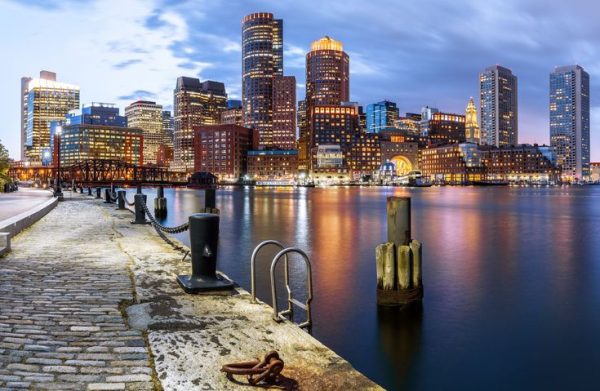
Top Attractions for Student Groups in Boston
Boston is one of the top destinations for student travel, especially for groups looking to balance meaningful historical context with engaging, memorable experiences. Its compact layout makes it easy to navigate, and many of the country’s most important Revolutionary-era sites are located within walking distance of one another. At the same time, Boston offers enough variety to keep students engaged across multiple days, regardless of whether you’re planning a general end-of-year trip or an American history-focused tour.
This guide highlights the most noteworthy attractions in Boston to help you build a trip that is both educational and memorable for students.
Downtown Boston & the Freedom Trail
For most student groups, downtown Boston serves as the natural starting point for understanding the city’s role in early American history. The Freedom Trail provides a clear route through many of the key sites tied to the American Revolution, allowing students to move from one location to the next while exploring how everything fits together in real time.
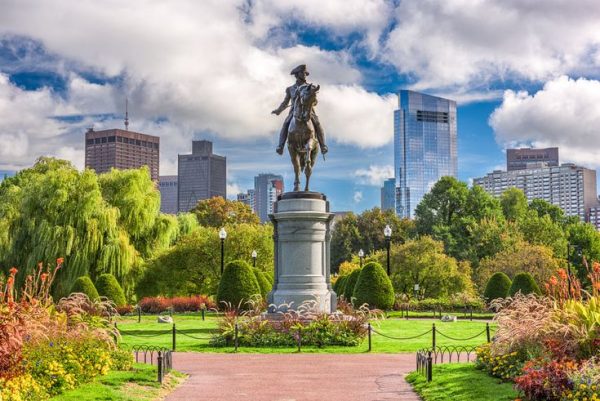
- Boston Common: Established in 1634, this is the oldest public park in the country and a natural starting point for tours.
- Massachusetts State House: State capitol building on land once owned by John Hancock, with a location reflecting Boston’s long-standing political importance.
- Granary Burying Ground: The final resting place of key Revolutionary figures including Paul Revere, Samuel Adams, and John Hancock.
- King’s Chapel & Burying Ground: A historic church that highlights the role of religion and British influence in colonial Boston.
- Old State House: Once the seat of British colonial government and the site of the Boston Massacre in 1770, when rising tensions between colonists and British soldiers turned deadly and intensified anti-British sentiment.
- Site of the First Public School: A quick stop that reinforces Boston’s early emphasis on education and civic development.
This portion of the city tends to be the most academically valuable part of a trip, but it works best when paced carefully with ample time. Breaking it up with lunch stops along the way or interactive elements nearby helps maintain engagement on long days of touring.
North End, Waterfront & Boston Harbor
Boston’s North End and waterfront continue the story of the American Revolution while introducing some of the city’s most engaging and student-friendly experiences. This area’s combination of major historical moments and modern attractions along the harbor helps make Boston such a unique tourism destination.
- Paul Revere House: Built in 1680, this modest home provides a tangible look at everyday colonial life and the man behind one of the Revolution’s most famous midnight rides.
- Old North Church: From the church tower, lanterns were displayed to signal the movement of British troops (“one if by land, two if by sea”), helping set Paul Revere’s ride into motion.
- Boston Tea Party Ships & Museum: A recreation of the 1773 colonial protest in which colonists boarded British ships and dumped tea into the harbor in response to British taxation. The interactive format makes this one of the more engaging historical experiences for students.
- Boston Duck Tour: A Boston favorite, this amphibious tour starts on the streets as a bus before driving straight into the Charles River and continuing as a boat tour, giving students a fun, memorable perspective of the city.
- Quincy Market / Faneuil Hall: Historically a meeting place for debate and commerce in the years leading up to the Revolution, today it’s one of Boston’s most convenient group lunch stops with quick-service restaurants inside and in the surrounding area.
Charlestown
Just across the harbor, Charlestown offers a deeper look at the military side of the American Revolution. While the downtown area focuses on colonial resistance in the lead-up to the war, this neighborhood highlights the shift into open conflict.
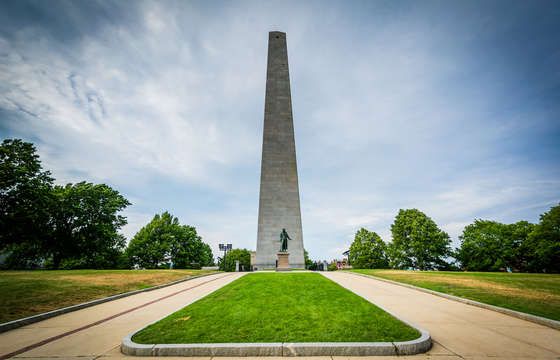
- Bunker Hill Monument: Commemorates the 1775 Battle of Bunker Hill, where the British claimed victory but suffered heavy losses that boosted colonial confidence.
- USS Constitution (“Old Ironsides”): Launched in 1797, this warship later gained fame during the War of 1812 for its durability in battle, symbolizing the strength of the young United States.
Science & Interactive Learning
While Boston is best known for its history, it also offers strong options for groups looking to incorporate science or general-interest student attractions. These attractions are particularly useful for breaking up multiple days of walking tours and historical content.
- New England Aquarium: An easy addition to most itineraries featuring marine life exhibits and a large central tank that keeps students engaged without requiring a long time commitment.
- Museum of Science: A hands-on museum with interactive exhibits that are especially effective for groups looking to diversify beyond history-heavy programming.
Evening Activities
Boston offers a variety of enjoyable evening options for student groups, making it easy to extend the fun after a day of touring.
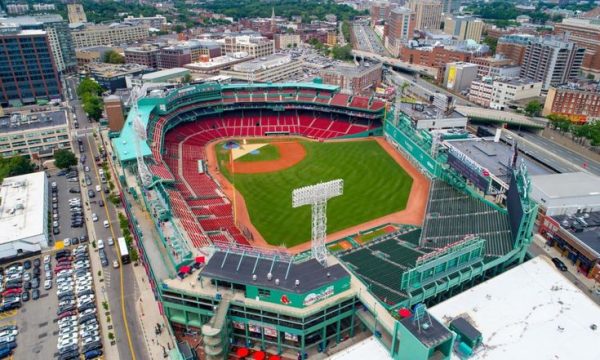
- Red Sox Game or Fenway Park Tour: Home of the Red Sox and the oldest ballpark in Major League Baseball, Fenway Park combines history, atmosphere, and a chance to experience Boston’s hometown team, whether attending a game or touring the stadium.
- Boston Ghost Tour: A guided walking tour that mixes local history with spooky storytelling, giving students a more entertaining and slightly theatrical way to experience the city at night.
- Boston Architecture Tour: A guided tour that highlights the city’s mix of historic and modern design, from colonial buildings in downtown Boston to newer developments along the waterfront and in Back Bay.
- Improv Comedy Show: A live, interactive performance featuring unscripted comedy, offering a fun and low-pressure way to end the day as a group.
Day Trips
For groups with enough time, nearby destinations add valuable context to the greater Boston area and expand on the history introduced in the city.
- Salem: Located about 35-45 minutes from Boston, Salem explores the 1692 witch trials and how fear and suspicion led to the execution of local civilians. The Salem Witch Museum provides an overview of the events through exhibits and reenactments. Additional stops such as the House of the Seven Gables and Ye Olde Pepper Candy Companie (often called the Olde Candy Factory) add a mix of literary history and local character to the visit.
- Lexington & Concord: About 30-40 minutes outside of Boston, these towns mark the opening of the Revolutionary War, with key sites like Lexington Green and Concord’s North Bridge.
Additional Stops to Consider
If time allows, a few additional stops can fill gaps in the itinerary and provide a different perspective on the city.
- Harvard Yard (Cambridge): A quick introduction to one of the most recognizable universities in the country and a nice change of pace from downtown Boston.
- Boston Harborwalk: A scenic waterfront path that connects many of the city’s harbor areas, offering an easy way for groups to explore the harbor while taking a break from structured touring.
- Boston Public Garden: A scenic green space adjacent to Boston Common that works well as a reset point between activities or a place to unwind during a busy day.
Planning Your Next Boston Trip
Boston offers one of the most complete student travel experiences in the country, but the difference between a good trip and a great one often comes down to balance. The most effective itineraries combine historical touring with interactive experiences and downtime to explore local neighborhoods. Thoughtful planning around pacing, geography, and group interests ensures a trip that is both educational and genuinely enjoyable from start to finish.