
Disney World Student Trips: Parks, Programs & Planning Guide (2026–2027)
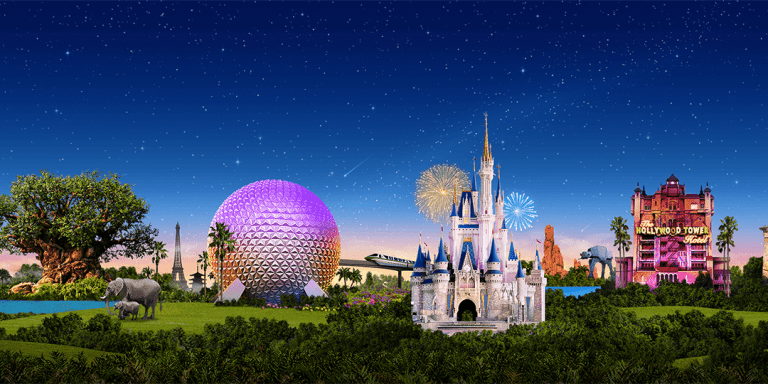
Planning a student trip to Walt Disney World can feel overwhelming at first. You’re not just thinking about rides. You’re thinking about timing, transportation logistics, energy levels, supervision, and how to create a day that feels exciting without becoming overwhelming.
With four parks that all operate differently, it’s easy to assume you need to plan everything in advance. In reality, the most successful trips to Disney World follow a simpler approach. Trip leaders that understand how each park works, what matters most in each one, and how to prepare students to navigate the days effectively have the best experiences.
At Junior Tours, most of the groups we work with travel over multiple days, giving them the flexibility to experience each park at the right pace. Some trips are three days, some are four or more, but the structure stays the same. When each park is given enough time, the experience becomes smoother, more enjoyable, and far less stressful to manage.
This guide is designed for teachers and trip leaders, but it is also something you can pass along to students. It explains what to expect in each park, what actually matters, and how students should approach their days so the experience is as smooth and memorable as possible.
How Student Groups Move Through the Parks
Most student trips to Disney are not fully guided from start to finish.
While teachers and chaperones are always present, students typically explore the parks in smaller groups throughout the day. That means they are making decisions on their own, choosing what rides to prioritize, when to move, and how to use their time.
Because of that, the goal of planning is not to control every moment. It’s to prepare students ahead of time.
This guide helps you:
- Communicate clear priorities before entering each park
- Set realistic expectations for how the days will feel
- Give students a simple structure they can follow independently
When students understand how each park works, they make better decisions, stay on track, and get the most out of the trip.
How to Use This Guide
Before diving into each park, it helps to understand one key idea: Each park requires a different strategy.
- In Magic Kingdom, timing matters most.
- In EPCOT, flexibility works best.
- In Hollywood Studios, thoughtful plans are rewarded.
- In Animal Kingdom, take a more relaxed approach.
Disney World Park Attendance (Why Planning Style Changes by Park)
| Park | Avg Daily Attendance | What It Means |
|---|---|---|
| Magic Kingdom | 45,000–60,000+ | Crowded early, needs strategy |
| EPCOT | 35,000–45,000+ | Spread out, flexible |
| Hollywood Studios | 30,000–40,000+ | High demand, tight layout |
| Animal Kingdom | 25,000–35,000+ | Lower pressure, easier flow |
Magic Kingdom
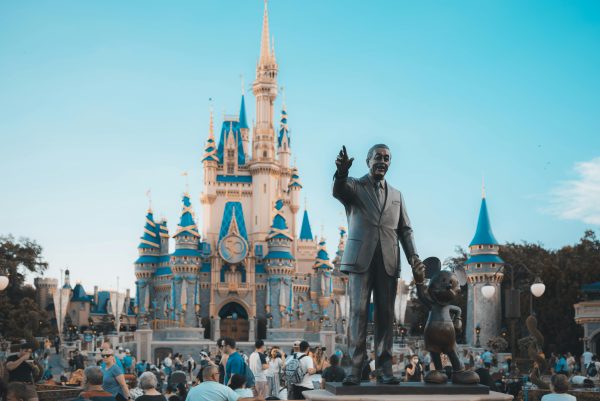
What Students Should Expect
Magic Kingdom is the most exciting and most crowded park. This is where expectations are highest, and where poor timing can lead to long waits very quickly. The park fills up early, and by mid-morning, major rides can already have significant lines. Students should go in knowing this is not a “figure it out as you go” park.
What’s Actually in This Park
Magic Kingdom has the widest variety of attractions, which is why it supports a full-day experience.
Major rides students will want:
- TRON Lightcycle / Run
- Space Mountain
- Tiana’s Bayou Adventure
- Seven Dwarfs Mine Train
Classic must-do attractions:
- Haunted Mansion
- Pirates of the Caribbean
- Jungle Cruise
Helpful low-wait options:
- PeopleMover
- Carousel of Progress
- Railroad
These lower-demand rides are key. They help students avoid the burnout of waiting in lines to keep the day moving.
How Students Should Approach the Day
Students should understand one key thing: The first hour matters more than anything else.
Groups that enter early and go straight to major rides will have a completely different experience than those who wait.
Simple game plan to share with students:
- Start early
- Pick 2-3 “must-do” rides before entering, and do those immediately
- Slow down in the afternoon
- Regroup for nighttime fireworks
Trying to do everything in one day will not work. Prioritizing early will.
What’s New and Coming
- TRON Lightcycle / Run (major new ride)
- Happily Ever After fireworks
- Disney Starlight new nighttime parade
Future expansions:
- Villains Land
- Cars-themed Piston Peak
Teacher Takeaway
This is the most structured day. If students understand where to go first, what matters early, and when to slow down, the day runs smoothly.
EPCOT
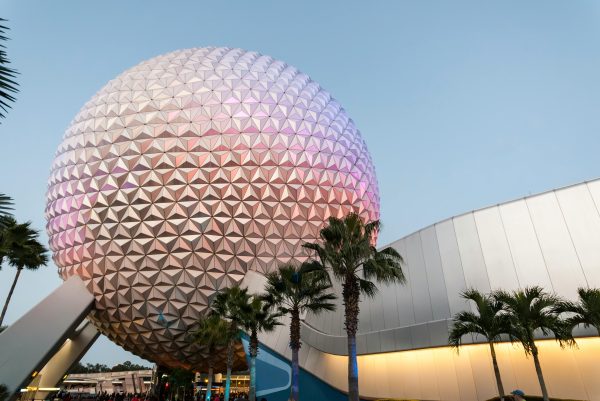
What Students Should Expect
EPCOT feels completely different from Magic Kingdom. It is more open, less crowded, and much easier to navigate. As a result, students will not feel the same pressure to rush from ride to ride.
What’s Actually in This Park
EPCOT combines rides with cultural and educational experiences.
Top rides:
- Guardians of the Galaxy: Cosmic Rewind
- Frozen Ever After
- Remy’s Ratatouille Adventure
- Test Track
- Soarin’ Around the World (limited-time version tied to America250)
Experiences students often enjoy:
- World Showcase (11 countries)
- Food and cultural exploration
- Interactive exhibits
How Students Should Approach the Day
EPCOT works well for groups because it’s easier to navigate and offers a good balance of structure and freedom. Students do not need to rush everything early here and can embrace a lower pressure pace.
Suggested approach:
- Start with 1-2 rides
- Spend time exploring the different countries in the World Showcase
- Take breaks throughout the day
- Circle back to rides later
If your group has a workshop during your trip, that usually becomes the anchor of the day. As a result, EPCOT is a good park to spend the morning or afternoon in.
What’s New and Coming
- Park redesign completed
- Test Track 3.0
- Seasonal festivals throughout the year
Teacher Takeaway
This is your lowest-stress day to manage. Let students explore – just set clear expectations and meeting points.
Hollywood Studios
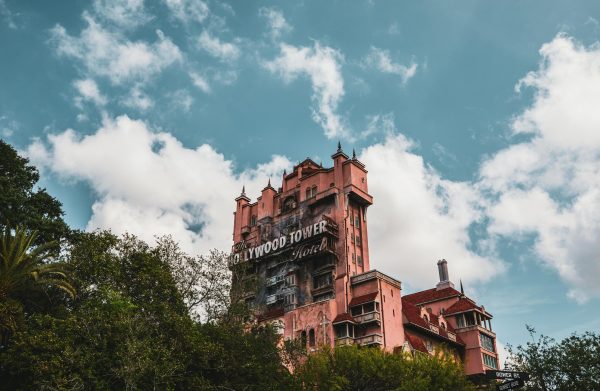
What Students Should Expect
This is the most intense park from a planning standpoint. It is smaller, more crowded, and built around a few major rides. Wait times build quickly and stay high throughout the day. Students should understand that this park requires a plan.
What’s Actually in This Park
Hollywood Studios is driven by high-demand attractions.
Top priorities:
- Rise of the Resistance
- Slinky Dog Dash
- Millennium Falcon: Smugglers Run
Other key rides:
- Tower of Terror
- Rock ‘n’ Roller Coaster (potential future update)
Strongest lineup of live shows:
- Fantasmic!
- Indiana Jones stunt show
- Villains stage show
How Students Should Approach the Day
Students should go in with a clear first move. The best strategy to share:
- Go straight to Galaxy’s Edge at park open
- Ride major attractions immediately
- Use shows as breaks during the day
Even a short delay in the morning can lead to much longer wait times later.
What’s New and Coming
- Muppets-themed coaster reimagining
- Updated shows
- Monstropolis expansion (Monsters, Inc. land with suspended coaster)
Teacher Takeaway
This park doesn’t need a complicated plan, just a clear one. If students know where to go first and what rides matter most, the day becomes much easier.
Animal Kingdom
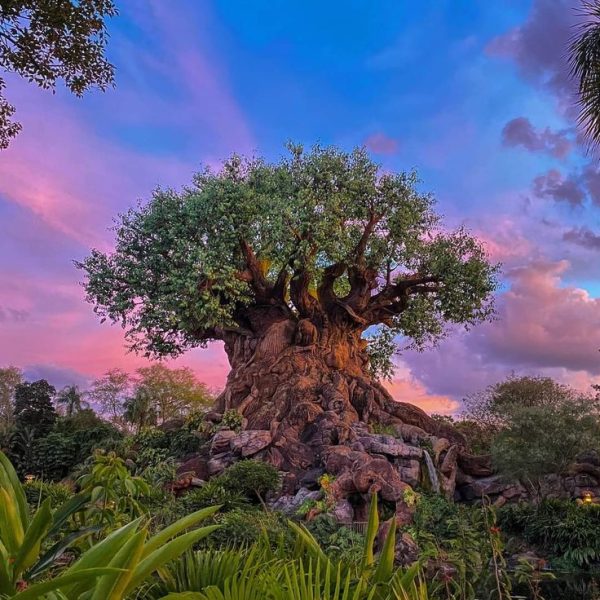
What Students Should Expect
Animal Kingdom is the most relaxed park. It is quieter, more immersive, and less focused on rides than Magic Kingdom and Hollywood Studios. Many students find it easier to enjoy because there is less pressure.
What’s Actually in This Park
Animal Kingdom offers a completely different experience, blending a theme park with a functioning zoological environment.
Top attractions:
- Flight of Passage (highest demand ride in the park)
- Kilimanjaro Safaris
- Expedition Everest
Other experiences:
- Animal trails
- Live shows
- Environmental storytelling
How Students Should Approach the Day
This is the simplest park to navigate:
- Start with Pandora (Flight of Passage)
- Do major rides early
- Spend the rest of the day exploring
The park naturally becomes more relaxed as the day goes on.
What’s New and Coming
- Zootopia: Better Zoogether!
- Tropical Americas expansion (Pueblo Esperanza opening 2027)
- Indiana Jones-themed attraction (under construction in Tropical Americas, replacing the DINOSAUR attraction)
- Encanto-themed ride (planned)
Teacher Takeaway
This is your reset day. Use it to manage student energy, provide more flexibility, and balance the overall trip.
Disney Imagination Campus (The Educational Core of the Trip)
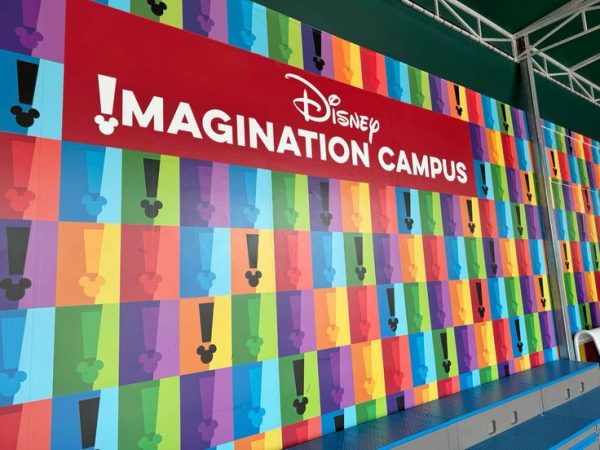
This is what transforms a Disney trip from fun to meaningful.
Disney Imagination Campus programs are built specifically for student groups and connect real-world concepts to Disney’s operations, storytelling, and design. These are interactive, facilitated workshops led by Disney professionals, not passive sessions.
Program areas include:
Performing Arts
Work with Disney professionals in music, dance, and theatre through studio-style sessions, choreography workshops, and musical theatre rehearsals. Many programs include real-time feedback and, in some cases, recording or performance elements.
Science & Technology
Explore how Disney attractions are engineered through concepts like motion, force, and design. Workshops often challenge students to think like Imagineers, applying STEM principles to real-world scenarios inside the parks.
Arts & Humanities
Learn how Disney creates immersive environments using storytelling, design, and sensory details. Students analyze how spaces influence experience, then apply those ideas in a hands-on way.
Leadership & Innovation
Understand Disney’s approach to teamwork, service, and problem-solving. These sessions focus on decision-making, collaboration, and how small details shape the overall guest experience.
What teachers should know:
Workshops typically run 2-3 hours and are best scheduled in the morning. Most groups transition into the parks afterward, which helps balance structured learning with park time.
Teachers and trip leaders must submit an application on behalf of their group through the Disney Imagination Campus portal (Disney PlanEars). Applications open one year in advance, and availability is limited.
Workshop selection should align with your group’s focus, as it often shapes the flow of the entire day.
Performance Opportunities
For performing arts groups, Disney offers some of the most structured and rewarding experiences available in student travel.
Festival Disney:
- Adjudicated performances with experienced music educators
- Written and recorded feedback for directors and students
- Expanded ensemble categories, making it accessible to a wider range of groups
Marching Bands:
- Magic Kingdom for smaller band groups and a shorter march (typically in the afternoon)
- EPCOT for larger band groups marching “around the world” (typically in the morning)
- The minimum group size is 40 performers
Stage Performance:
- Live performance at the Waterside Stage in Disney Springs for live audiences
- Focus on experience and exposure rather than scoring
- Bands, orchestras, choirs, and dance groups can perform
Planning insight:
Performance opportunities are capacity-controlled and fill quickly, especially during peak travel seasons. Like workshops, teachers must submit an application through Disney PlanEars (up to one year in advance).
Securing space early is key, and performance timing should be coordinated with your park day to avoid conflicts with high-demand attractions.
What Teachers Should Know Before Planning
Timing matters
Off-peak travel windows (January, February, fall) consistently improve cost, availability, and overall experience.
Demand varies by park
Hollywood Studios requires the most planning. Magic Kingdom requires early arrival. EPCOT and Animal Kingdom offer more flexibility.
Avoid over-scheduling
Rigid, minute-by-minute itineraries create stress. A more flexible and priority-based approach consistently leads to better outcomes.
Understand your options early
Workshops, performances, and add-ons shape the structure of your entire trip, not just a single day.
What’s Coming Next (2027 and Beyond)
Disney continues to evolve, which is part of what keeps Orlando relevant for returning groups.
- Tropical Americas (Animal Kingdom) – Opening 2027
- Monstropolis (Hollywood Studios) – In development
- Piston Peak (Magic Kingdom) – In planning
- Villains Land (Magic Kingdom) – Long-term expansion
For schools that travel regularly, this creates a destination that feels different every few years. Disney continues to announce new expansions and updates through sources like the Disney Parks Blog, where many of these projects are first confirmed.
Final Takeaway
Disney is not just a theme park destination. It’s a place where entertainment, education, and group experiences intersect in a way few destinations can match.
The most successful trips aren’t about fitting everything in. They’re about understanding each park, prioritizing the right experiences, and building in structured opportunities like workshops and performances.
That’s what turns a trip into something students remember long after they return home.
If you’re ready to start planning a Disney trip for your group, CLICK HERE TO REQUEST A QUOTE